
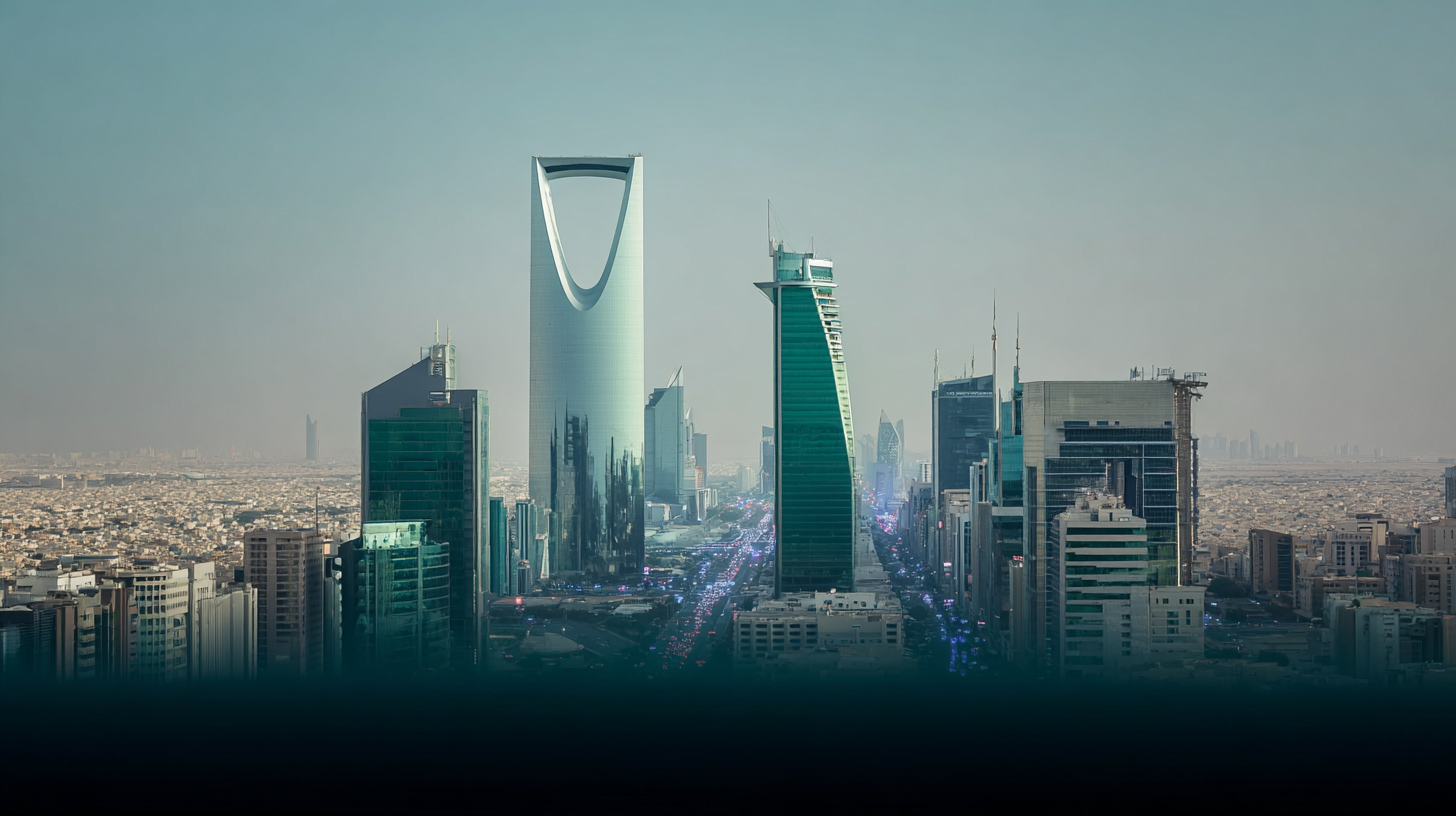
The Riyadh legal market continues to expand at pace, driven by major projects, regulatory transformation, and a maturing corporate environment. Both local and international firms are investing in their presence, seeking lawyers who can combine technical excellence with commercial awareness, bilingual capability, and an understanding of the Saudi market.
2025 in Review
2025 has been a year of consolidation, rising competition, and strategic hiring. Corporate, finance, infrastructure, energy, and regulatory practices remain the busiest, but clients have become increasingly cost-conscious and outcome driven. Experience alone is no longer enough, lawyers are expected to show direct, measurable results, whether through completed deals, regulatory approvals, or major project delivery.
A defining theme of this year has been the growing importance of Nitaqat compliance in shaping workforce strategy across the legal sector.
Nitaqat Compliance: A Defining Feature of Legal Hiring in 2025
One of the most influential factors in the 2025 recruitment market has been the rising impact of the Nitaqat nationalisation programme. As firms look to expand teams and deepen their Riyadh footprint, Nitaqat status has shifted from a background regulatory requirement to a central strategic consideration.
The system classifies companies based on the percentage of Saudi nationals in their workforce, placing them into colour-coded tiers, Platinum, High Green, Medium Green, Low Green, and Red. This ranking directly affects how easily law firms can hire and retain expatriate lawyers, access visas, and secure government incentives.
Importantly, it has now been confirmed that GCC nationals and other Arab nationals are included within the Nitaqat calculations, giving firms greater flexibility in meeting their workforce targets.
Platinum and High-Green firms have enjoyed the strongest position:
- Greater freedom to hire expatriate lawyers
- Access to faster visa processing and fewer administrative barriers
- A competitive advantage in attracting international talent
Medium- and Low-Green firms, meanwhile, have faced increased pressure. Visa processes slow down, certain expatriate hires require approval, and firms must raise their proportion of Saudi nationals to maintain compliance.
At the bottom of the scale, Red-category firms face heavy restrictions, including an inability to renew or hire expatriate employees until they restructure their workforce.
These have reshaped legal recruitment significantly:
- Saudi nationals are increasingly prioritised, especially in government-facing, regulatory, and senior positions.
- Expat recruitment is now heavily influenced by a firm’s Nitaqat rating, top-ranking firms attract global specialists more easily.
- Firms with lower rankings are reinforcing their Saudi talent pipelines to restore flexibility.
Nitaqat status has become a core component of hiring strategy, influencing team structures, succession planning, and competitive positioning throughout 2025.
What Firms Are Looking For
Across the market, the most sought-after qualities remain consistent:
- Strong experience in corporate transactions, finance, infrastructure, projects, or regulatory work
- Bilingual fluency in Arabic and English
- A solid understanding of local law, regulation, and business culture
- High levels of commercial awareness, including the ability to manage work efficiently and under budget
- Mid- to senior-level candidates remain in highest demand
- Comfort with procurement-driven processes and demonstrable outcomes
Firms are not satisfied with CV statements, they want visible proof: transactions completed, projects delivered, compliance handled, efficiencies achieved.
Local Talent vs International Lawyers
Saudi lawyers continue to be prioritised for senior, regulatory, and government-facing roles. This reflects:
- The need for deep familiarity with Saudi law and regulatory environments
- Increasing government incentives supporting national talent development
- The importance of cultural fluency and credibility with local clients and authorities
International lawyers remain highly relevant, but their success depends on:
- Specialised transactional or regulatory expertise
- Bilingual capability
- Practical understanding of the Saudi market
- Adaptability to local working norms
In essence, local lawyers are frequently preferred, but internationally experienced lawyers who understand Saudi Arabia can still thrive in the right firms.
Outlook for 2026
Looking ahead, 2026 is expected to be a year of sustained but more selective growth.
Key trends include:
- Continued expansion in infrastructure, logistics, technology, tourism, and public services
- Growing demand for bilingual lawyers with both local knowledge and international experience
- Increased focus on governance, compliance, data protection, technology, and fintech regulation
- Heightened fee pressure, with clients expecting measurable value and efficient delivery
Competition for high-calibre lawyers will increase, and firms will become more targeted in their hiring strategies, especially as Nitaqat considerations continue to shape workforce planning.
What Success Looks Like in 2026
To succeed in Riyadh’s evolving legal market, lawyers and firms must:
- Prioritise specialist expertise, not generalist profiles
- Demonstrate bilingual ability and grounded local market understanding
- Provide tangible commercial results, not just responsibilities
- Be prepared for procurement-led hiring processes
- Show visible, evidenced delivery: transactions, projects, compliance, regulatory work
This is a market that rewards capability, clarity, and credibility.
Contact Us
To discuss career opportunities in Riyadh or your current recruitment requirements, please contact:
Jack Douglas-Smith
📧 jack.douglas-smith@wearebuchanan.com